How to Find a Good Dentist Near You: What to Look for, What to Ask, and How to Compare Practices Before You Book
Finding a dentist should not feel like online dating: scrolling, guessing, and hoping you made the right choice.
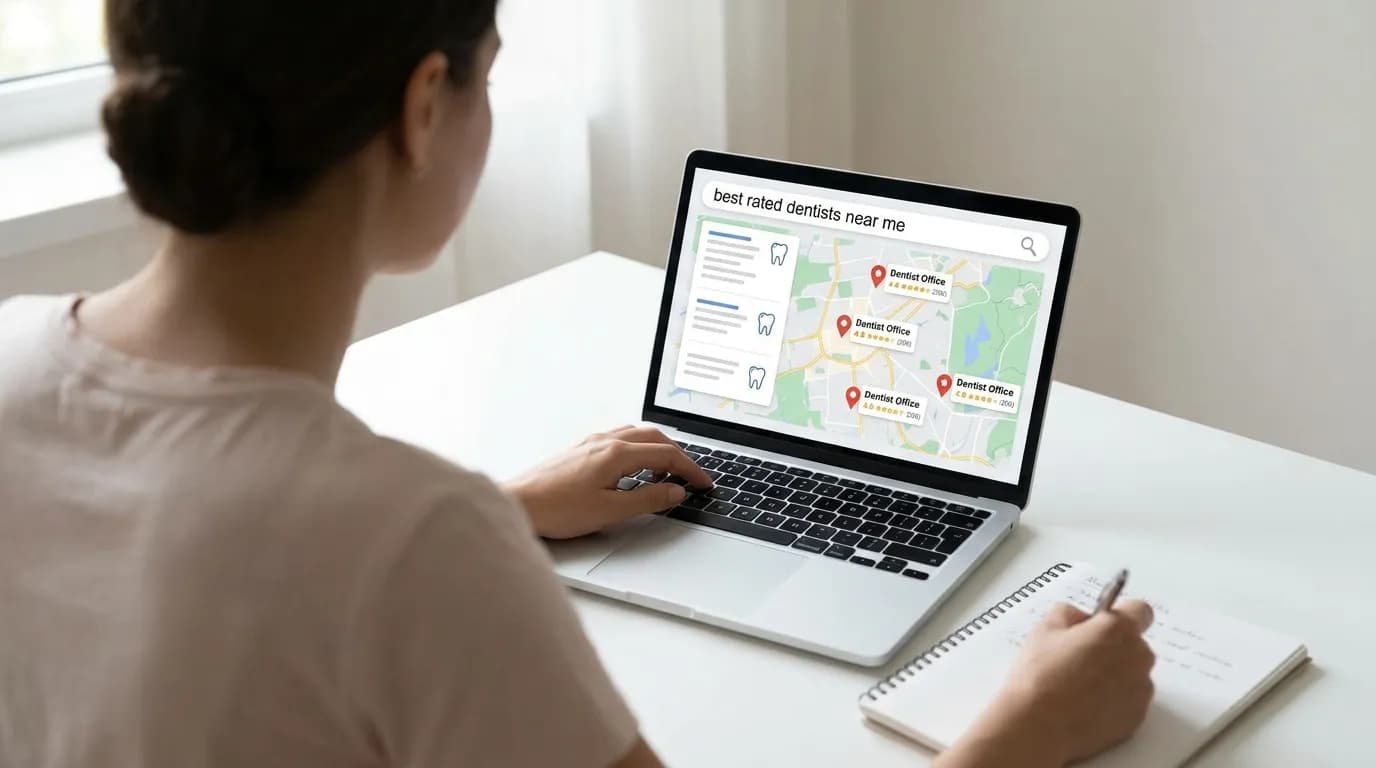
If you are searching for the best dentist near me, you are usually trying to solve one of two problems:
- You need ongoing preventive care and want someone you can trust.
- You have a specific issue and need a skilled practice that can handle it quickly.
This guide explains how to find a dentist in a way that is practical: what to look for, how to filter reviews, the bestquestions to ask a dentist, and how to compare options before you book.
Step 1: Know What You Need (So You Choose the Right Type of Practice)
A good dentist for cleanings is not necessarily the right dentist for a complex procedure. Start with clarity.
Common needs:
- Routine care: exams, cleanings, fillings
- Urgent care: pain, swelling, broken tooth
- Cosmetic: whitening, veneers
- Specialty referrals: endodontist (root canals), periodontist (gums), oral surgeon
If you have symptoms and are not sure what category you fall into, DentalShelter’s 3D mouth model can help you pinpoint the tooth or gum area and describe what you’re experiencing. That helps you tell a clinic what you need when you call.
Step 2: How to Choose a Dentist Using Signals That Actually Matter
People often choose based on distance alone. Location matters, but it is not the only thing that predicts a good experience.
1) Availability and scheduling (especially for new patients)
If you specifically need a dentist near me accepting new patients, confirm it directly. Some websites are outdated.
- How soon is the first available appointment?
- Do they offer early/late hours?
- Do they offer urgent slots for established patients?
2) Communication quality (a strong predictor of trust)
A “good dentist” explains options and costs in a way you understand. You should feel comfortable asking for clarification.
3) Transparency on pricing and plans
Even with insurance, surprises happen. Look for a practice that offers written estimates and explains what is optional vs. essential.
4) Services and technology
Not every office offers the same services. If you suspect you might need root canal treatment, gum therapy, or same-day crowns, confirm the practice can handle it or has efficient referrals.
Step 3: Dentist Reviews Near Me — How to Read Them Like a Pro
Searching dentist reviews near me can be helpful, but reviews are noisy. Use patterns.
What to look for in reviews:
- Consistent mentions of kindness, clear explanations, and no pressure sales.
- Comments about pain management and anxiety support.
- Mentions of scheduling efficiency and being seen on time.
- How the office responds to negative reviews.
Red flags:
- Multiple reviews mentioning surprise pricing.
- Repeated notes about rushed appointments or poor communication.
- “Bait-and-switch” language around promotions.
Step 4: Questions to Ask a Dentist (Copy/Paste List)
These questions are designed to help you compare practices quickly.
For routine care:
- How often do you recommend exams and cleanings for someone like me?
- Do you offer same-day fillings if you find a cavity?
- Do you take photos or intraoral scans so I can see what you see?
For pain or urgent care:
- Do you have urgent appointments available today or tomorrow?
- What does the urgent exam fee include (X-rays, consultation)?
- How do you handle pain management during treatment?
For cost clarity:
- Will I receive a written estimate before treatment begins?
- Do you offer payment plans?
- What are common ranges for fillings, crowns, extractions?
Step 5: How to Compare Practices Before You Book
If you are choosing between two or three options, compare them on the things that matter most:
- Distance and appointment availability
- Communication and clarity
- Transparency around pricing
- Services/technology relevant to your needs
- Review patterns (not single comments)
Helpful DentalShelter Reads
- If you want to prepare and save time at your first visit, read: How to Prepare for Your Dental Appointment Like a Pro (Using AI Tools Your Dentist Will Thank You For)
- If you are trying to understand symptoms before you book, read: What Is a Dental Diagnosis Tool? How to Check Oral Problems Online
Use DentalShelter’s Nearby Practices Tool
DentalShelter's Nearby Practices tool lets you search, compare, and find a dentist in your area instantly.
Frequently Asked Questions
How do I find a good dentist near me?
Start by defining your needs (routine vs. urgent vs. cosmetic), then compare practices based on availability, communication, pricing clarity, services, and review patterns. Tools like DentalShelter’s Nearby Practices help you compare options faster.
What questions should I ask a dentist before booking?
Ask about appointment availability, what the first visit includes, whether they provide written estimates, how they handle urgent pain, and whether they offer payment plans. These questions help you compare practices fairly.
How do I know if a dentist is accepting new patients?
Check the website if it mentions new-patient appointments, but confirm by calling. Many listings are outdated, so “dentist near me accepting new patients” is best verified directly.
How should I use dentist reviews near me?
Look for repeated patterns: clear communication, gentle care, no surprise pricing, and efficient scheduling. One extreme review is less useful than consistent themes across many reviews.
What matters more: distance or quality?
For routine cleanings, convenience matters. For complex treatment or ongoing anxiety-sensitive care, quality and communication can matter more than being the closest option.